

Finding a hairstyle that makes you feel completely like yourself is a powerful experience. For decades, changing your hair meant committing to a chemical treatment, a permanent cut, or sitting in a salon chair for hours. Today, the landscape has completely shifted. Premium hair wigs have transitioned from a closely guarded beauty secret to an everyday staple for self-expression, convenience, and protective styling.
If you are stepping into this world for the first time—or looking to upgrade your collection—the sheer number of choices can feel overwhelming. How do you choose between a sharp, cropped look and voluminous, coily strands? The secret lies in understanding how construction, texture, and density work together to create a look that feels uniquely yours.
In this comprehensive guide, we will break down exactly how to navigate the spectrum of available styles, choose the right textures for your lifestyle, and select premium pieces that look entirely natural.
Why the Foundation Matters: The Power of Natural Wigs
Before diving into lengths and aesthetics, it is essential to understand why the raw material of your wig dictates how it behaves. Industry veterans and top stylists consistently guide clients toward real hair wigs for one primary reason: authenticity in both look and movement.
Artificial fibers have made technological leaps, but they still possess a uniform, synthetic shine that reflects light unnaturally under direct sunlight. Furthermore, artificial strands lack a cuticle layer, meaning they do not flow or bounce when you walk. Premium natural hair wigs, on the exchange, are made from authentic human strands. They absorb light beautifully, move with natural fluid motion, and allow your scalp to breathe, making them significantly more comfortable for daily wear.
Exploring the Style Spectrum: Finding Your Texture
Your signature style is a reflection of your personality, your daily routine, and how much time you want to spend on maintenance. Let’s look at the main texture categories to help you identify where your preferences lie.
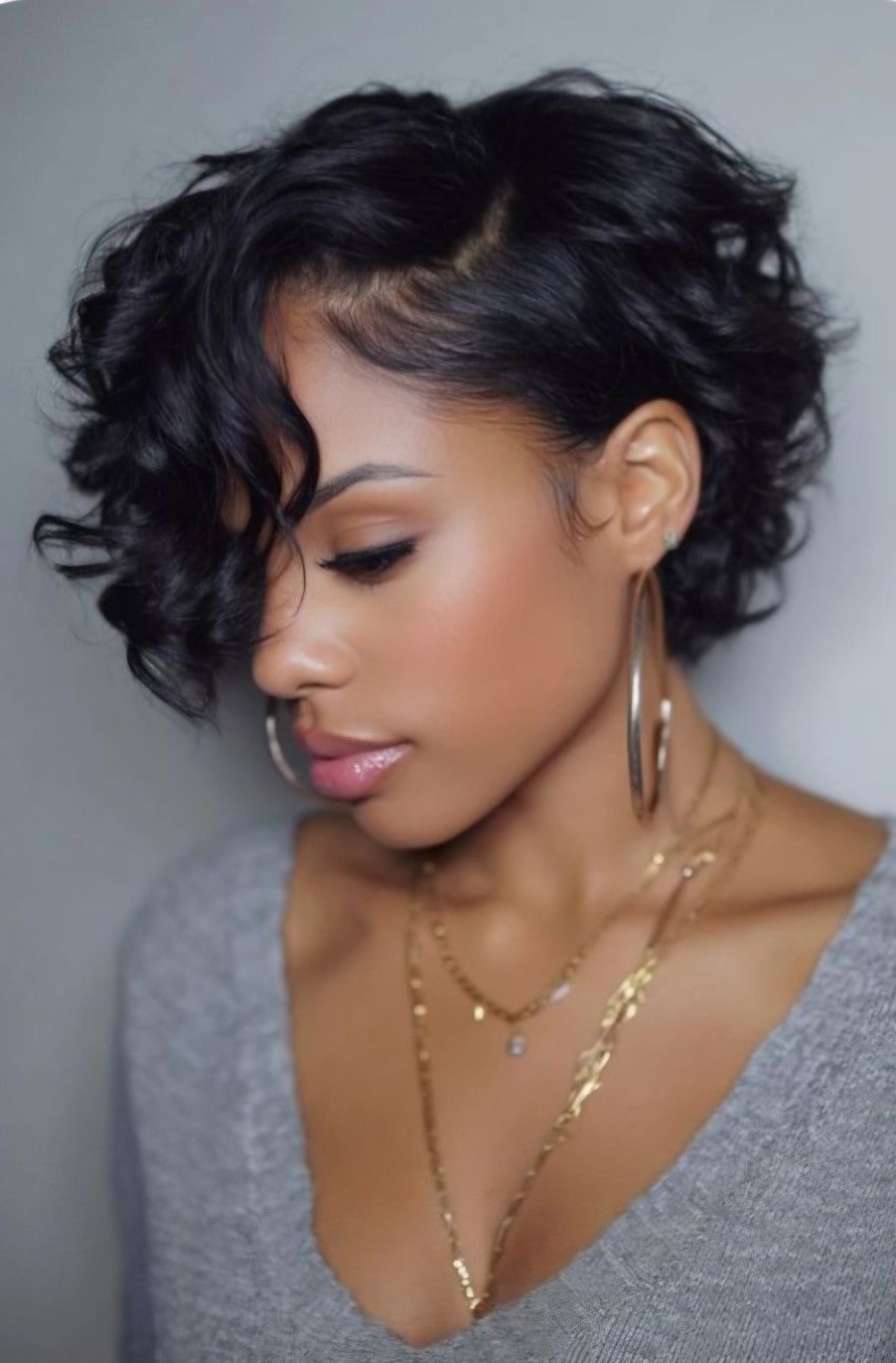
1. The Classic Sophistication of Sharp, Short Cuts
Short styles, ranging from textured pixies to sleek chin-length bobs, offer an instant injection of style with minimal daily effort.
- Who it’s for: Individuals with busy schedules, professionals looking for a polished look, or anyone who wants to frame their facial features prominently.
- Styling reality: Short natural wigs require far less detangling and washing product. A quality pixie wigs can often be styled using just your fingers and a lightweight moulding cream.
2. The Timeless Elegance of a Straight Human Hair Wig
If you love a look that is polished, sleek, and highly versatile, a premium straight human hair wig is an absolute wardrobe essential.
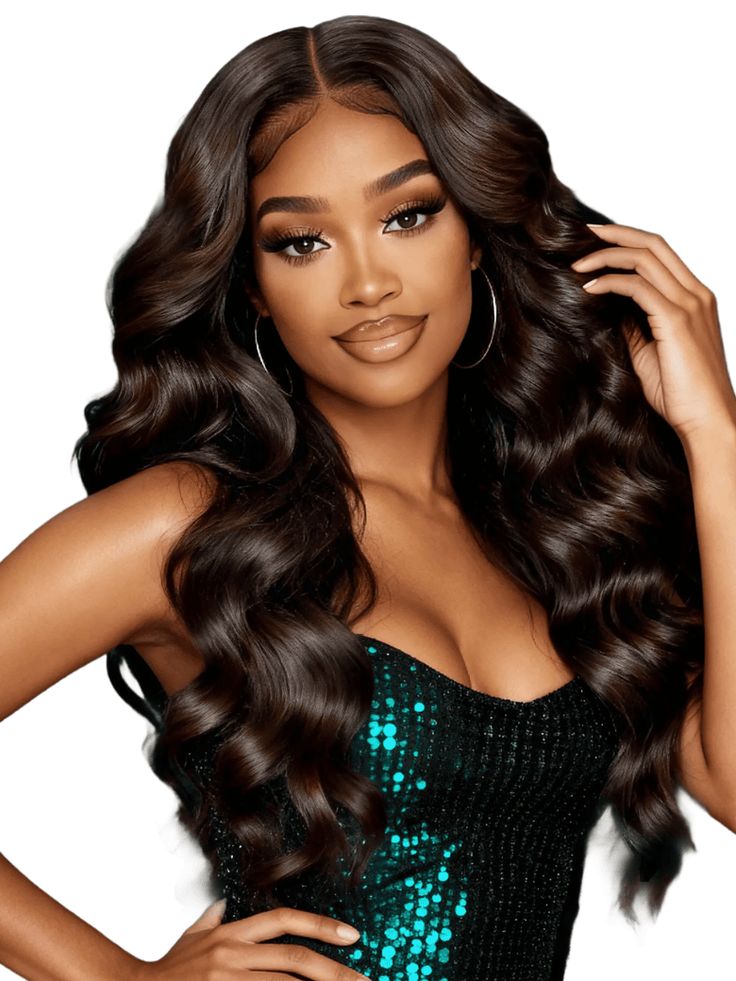
- The Versatility Factor: A high-quality straight wigs serves as the ultimate blank canvas. Because it is made of real hair, you can wear it bone-straight one day, add beachy waves with a curling wand the next, or pull it back into a sleek low ponytail for a formal event.
- What to look for: Pay close attention to the density. A density of 150% offers a lightweight, everyday look, while 180% to 200% provides a fuller, red-carpet silhouette.
3. Embracing Volume with Afro and Coily Textures
For a long time, the hair industry struggled to replicate the intricate beauty of kinky, coily, and afro-textured patterns. Today, that has completely changed. Modern textured wigs are designed to celebrate high-volume beauty without requiring you to manipulate your own natural strands.
- Authentic Blending: If you want a protective style that looks like it is growing directly from your scalp, choosing an afro-textured or kinky-curly wig is unmatched. These wigs match the shrinkage, density, and texture of type 3 and type 4 hair perfectly.
- Styling Tip: These textures thrive on moisture. Treat them exactly as you would natural curls—use a leave-in conditioner, define the coils with a wide-tooth comb or your fingers while wet, and let them air dry to avoid frizz.
Match Your Wigs to Your Lifestyle
A common mistake is choosing a style based solely on a photograph without considering your daily routine. To find a true signature piece, ask yourself these three practical questions:
How much time do you want to spend on daily styling?
A straight human hair wig or a short pixie cut is highly forgiving on busy mornings. They require minimal detangling and hold their shape well. Conversely, deep waves, tight curls, and afro textures require daily misting, detangling with a leave-in conditioner, and careful nighttime pineappling or satin bonnet protection to keep the curls defined.
What is your local climate?
If you live in a high-humidity environment, real curls and afro textures will react to moisture just like biological hair—they will expand and embrace natural volume. If you want a look that stays perfectly flat and uniform regardless of the weather, a shorter cut or a lighter density wig might be your best companion.
How do you intend to secure the wig?
For daily wear where you want to take the wig off every night, a glueless cap construction with adjustable bands and combs is ideal. If you prefer a flawless, melted hairline that stays secure for weeks at a time, a high-quality lace frontal wig that can be professionally installed with safe adhesive is the route to go.
The Pros, Cons, and Common Questions
Investing in premium hair is a commitment. To provide real value for your journey, let’s look at the balanced reality of owning these wigs alongside the questions stylists get asked most frequently.
The Advantages
- Unmatched Realism: Real hair wigs blend seamlessly with your skin tone and natural hairline, making the wig virtually undetectable.
- Heat Longevity: You can safely use flat irons, curling tongues, and blow dryers without destroying the wig.
- Incredible Durability: While an artificial wig may texturize and mat within a month, a natural wig can easily last a year or more with proper hydration and care.
The Drawbacks
- Upfront Investment: Premium construction carries a higher initial price point than synthetic alternatives.
- Requires Active Care: Because the hair is no longer receiving natural oils from a live scalp, you must manually infuse moisture through deep conditioning treatments to prevent dryness.
Frequently Asked Questions
How often should I wash my natural hair wig?
As a general rule of thumb, you should wash your wig every 10 to 15 wears. If you use a lot of styling products like holding sprays or oils, you may need to wash it slightly more frequently to prevent product buildup from weighing down the strands.
Can I dye or bleach these wigs?
Yes. Because they are made from real human strands, they can be colored, highlighted, or toned by a professional stylist. However, just like biological hair, chemical processing can alter the texture and lifespan of the hair, so it should always be followed up with deep conditioning.
What is the best way to store my hair at night?
If you wear a glueless wig, the best practice is to remove it at night and place it on a canvas block or mannequin head. This preserves the style and prevents friction. If your wig is secured down with adhesive, braid the lengths into a few loose sections and secure them inside a high-quality silk or satin bonnet before sleeping.
Conclusion: Confidence is the Ultimate Style
At the end of the day, the journey from a sharp pixie to a glorious afro-textured wig isn't just about changing your appearance—it’s about matching your outer look to your inner confidence. Natural hair wigs give you the ultimate freedom to experiment without compromise. By focusing on high-quality materials, choosing a texture that complements your daily schedule, and practising consistent hydration habits, your chosen wig will feel less like an accessory and entirely like your own signature hair.