

There is nothing quite like the feeling of unboxing a brand-new human hair wig. The texture is soft, the shine is natural, and the possibilities for styling are endless. However, whether you’ve just lightened your unit or you’ve been wearing it for a few months, you might notice an unwelcome guest: brassiness.
Those stubborn orange, yellow, or "rusty" undertones can make a high-quality wig human hair look cheap or synthetic. Toning is the secret weapon used by professional stylists to neutralize these tones and achieve that expensive, salon-finish glow. Whether you are rocking a sleek straight look or a voluminous curly hair wig, mastering the art of the "toner" is essential for wig longevity.
Why Does My Human Hair Wig Turn Brassy?
Before we fix the problem, it helps to understand why it happens. Unlike the hair growing from your scalp, wigs human hair do not receive natural oils (sebum) to keep the cuticle protected.
- Oxidation: Exposure to oxygen, UV rays, and environmental pollutants causes the color molecules to break down, revealing the warm underlying pigments.
- Hard Water: Mineral deposits in shower water can accumulate on hair over time, which may cause it to lose shine and develop a dull, brassy or orange hue.
- Chemical Processing: Most blonde or light brown human hair wig units have been bleached. Bleaching often leaves behind "raw" yellow or orange tones that require a toner to neutralize.
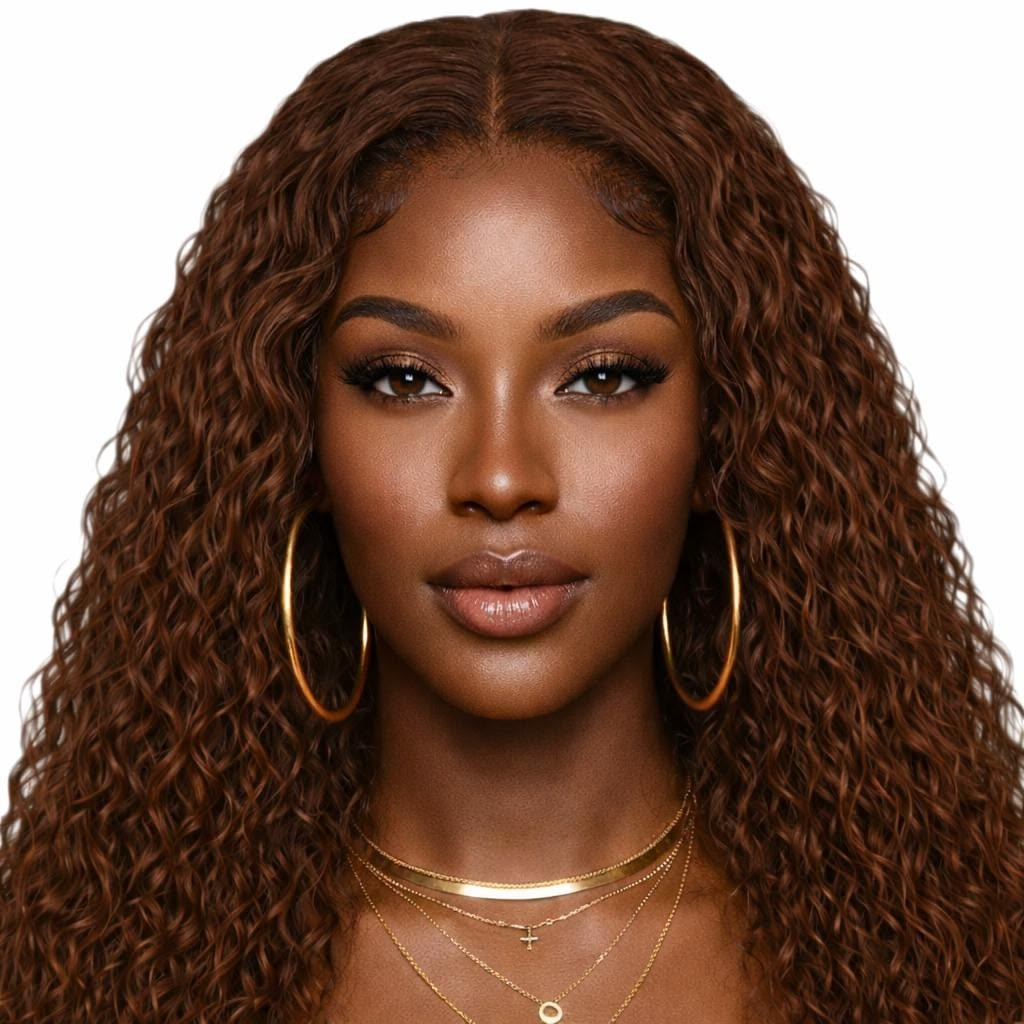
1. Choosing the Right Toner for Your Wig
Toning is based on Color Theory. To cancel out a color, you must use its opposite on the color wheel.
- For Yellow Tones: Use a Purple toner or shampoo. This is ideal for 613 blondes or platinum units.
- For Orange/Brassy Tones: Use a Blue toner or shampoo. This is best for light brown or "bronde" wigs human hair.
- For Red/Copper Tones: Use a Green toner. This is usually reserved for dark brunettes who want a cool, ashier finish.
2. Tools You Will Need
To tone your human hair wig at home safely, gather the following:
- A high-quality human hair wig (make sure it is 100% human hair; synthetic hair cannot be toned this way).
- Toning shampoo (Purple or Blue) or a professional demi-permanent toner with a low-volume developer (6V or 10V).
- A wide-tooth comb.
- A wig stand or mannequin head.
- Deep conditioner or a moisturizing hair mask.
- A large basin or sink.
3. The "Water Color" Method (Best for Beginners)
If you are nervous about applying dye directly to your wig human hair, the water color method is the safest and most even way to tone.
- Fill a Basin: Pour lukewarm water into a clean sink or basin.
- Add the Pigment: Squeeze a generous amount of purple or blue shampoo into the water. Whisk it with your hand until the water is a deep, solid violet or blue. Ensure there are no clumps of shampoo left, as these can cause spotting.
- The Dip Test: Take a small, inconspicuous section of the hair (from the back) and dip it in for 10 seconds. Check the color.
- Submerge the Wig: Once you're happy with the test, submerge the entire human hair wig into the water.
- Agitate: Gently move the hair around in the water for 1–5 minutes. Watch the color closely!
- Rinse: Once the brassiness is gone, rinse the wig thoroughly with cool water.
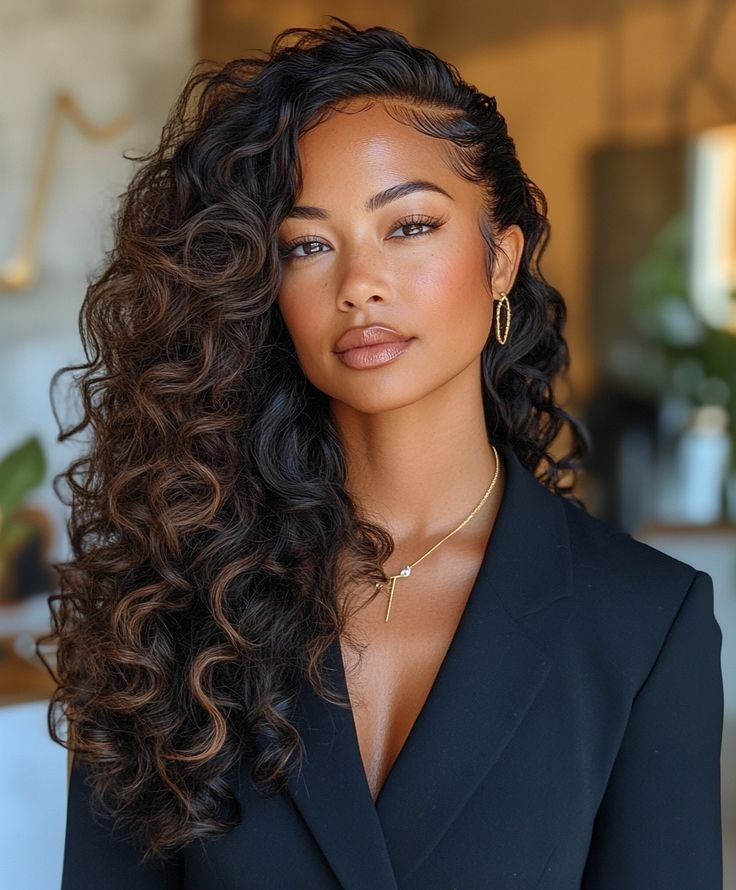
4. Toning a Curly Hair Wig: Special Considerations
Toning a curly hair wig requires a bit more finesse. Because curly cuticles are naturally more porous, they tend to soak up pigment much faster than straight hair.
- Avoid Over-Processing: If you leave a curly hair wig in purple water for too long, the ends (which are usually the most porous) may turn lavender or grey.
- Moisture is Key: Toning can be slightly drying. Since curls need moisture to maintain their pattern, always follow up with a deep conditioning treatment to keep the "spring" in your curls.
- Detangle Early: Ensure the wig is fully detangled before toning so the color reaches every strand evenly.
5. Using Professional Toner and Developer
For a more permanent and precise result, you can use a professional cream toner (like Wella T18 or T11).
- Mix: Mix the toner with a 10-volume developer in a plastic bowl (ratio is usually 1:2).
- Apply to Damp Hair: Apply the mixture to a clean, damp human hair wig using a tint brush.
- Work Quickly: Start from the bottom and work your way up to the lace. Be extremely careful not to get the toner on the lace knots, as it could tint the "scalp" of your wig.
- Time It: Most professional toners work in 10–20 minutes. Check a strand every 5 minutes.
6. Post-Toning Care: The "Afterglow"
Once you’ve achieved the perfect ash-blonde or cool-brown shade, you want to keep it that way.
Deep Conditioning
Toning involves opening the hair cuticle. You must close it back up to lock in the color. Apply a high-quality hair mask to your wigs human hair, leave it for 15 minutes, and rinse with cold water to seal the cuticle and add shine.
Heat Protection
Excessive heat from flat irons or blow dryers will "strip" your toner and bring the brassiness back. Always use a heat protectant spray before styling your human hair wig.
UV Protection
If you plan on being out in the sun, consider a UV-protectant hair spray. Sunlight is the number one enemy of cool-toned hair.
Common Mistakes to Avoid
- Toning Dirty Hair: Oils and styling products act as a barrier. Always wash your wig human hair with a clarifying shampoo before toning.
- Using 20V or 30V Developer: These are too strong for a wig that has already been processed. They can cause shedding and breakage. Stick to 6V or 10V.
- Ignoring the Lace: If you are using a dark toner, protect the lace of your full lace frontal or closure by applying a thick layer of Vaseline to the mesh. This prevents the toner from staining the "skin" area.

Conclusion
Toning your human hair wig is one of the most effective ways to customize your look and keep your hair looking fresh from the salon. Whether you’re cooling down a curly hair wig for the summer or brightening up a blonde human hair wig, the key is patience and color theory. By following these steps, you can eliminate brassiness and enjoy a vibrant, natural-looking shade that complements your skin tone perfectly.