
Investing in premium human hair wigs is one of the best beauty decisions you can make. They offer unmatched realism, styling versatility, and a major confidence boost. However, unlike synthetic alternatives, real human hair demands proper maintenance to retain its luster, softness, and movement over time. One of the most critical—yet frequently overlooked—aspects of care is storage.
Leaving your unit tossed carelessly on a nightstand, slumped on a dresser, or shoved into a cluttered drawer is a recipe for disaster. Without a structured storage routine, friction and moisture changes quickly turn silk-smooth strands into a stubborn, matted mess. Friction from surfaces roughs up the hair cuticles, causing them to lock together and create tightly bound knots. Over time, constant detangling of these storage-induced knots leads to excessive shedding, thinning, and a significantly shortened lifespan for your investment.
In this comprehensive guide, you will learn the exact science-backed methods to store your human hair wig correctly. Whether you need a quick overnight solution, a reliable setup for traveling, or safe methods for long-term seasonal storage, these expert-approved habits will prevent tangling and keep your units looking fresh out of the box.
The golden rule of wig storage: Preparation is everything
You should never take off a human hair wig at the end of a long day and place it directly into storage. Proper storage begins before the hair ever touches a stand or a bag. Skipping the preparation phase locks in existing tangles, sweat, and product buildup, which can cause the hair cuticles to mat permanently over time. Follow these essential prep steps to ensure your unit stays pristine:
Detangle gently from ends to roots
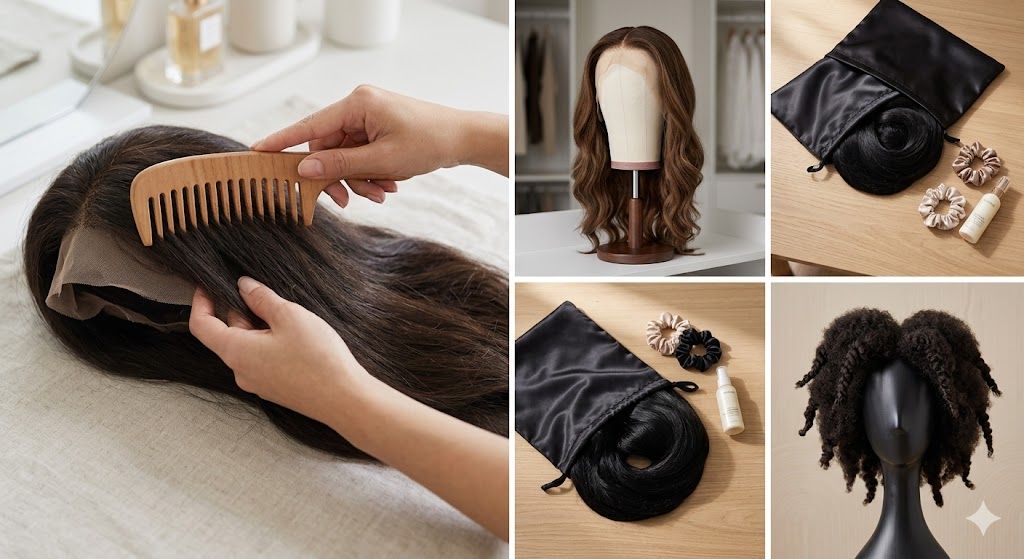
Before storing, always clear out any tangles that accumulated during the day. Use a wide-tooth comb or a specialised loop brush. Start combing at the very tips of the hair, gently working your way up to the roots in small sections. Detangling from the top down pulls existing knots into tighter, more stubborn clumps, which stretches and snaps the delicate hair strands.
Remove oils and styling residue
If you have been using heavy serums, holding sprays, or edge control, ensure the unit is clean before putting it away for an extended period. Storing a human hair wig coated in heavy product attracts dust, lint, and airborne debris. This creates a sticky film on the hair shafts, making the strands cling to one another and form dense knots.
Ensure the unit is 100% dry
Moisture is the ultimate enemy of proper wig storage. If you have recently washed your unit, or if you sweated into the cap during the day, let it air dry completely before storing it away. Storing a damp wig creates a breeding ground for mold, mildew, and unpleasant odors. Furthermore, trapped moisture weakens the knots where the hair is ventilated into the lace, leading to massive shedding and structural balding across the hairline.

Top 3 expert storage methods to prevent tangling
Depending on your daily routine, budget, and available closet space, different storage options will serve you best. Here are the three most effective ways to keep your strands knot-free.
1. Canvas block heads and mannequin stands (Best for daily wear)
If you wear the same unit almost every day, a mannequin stand or canvas block head is your absolute best option.
- Why it works: Placing your wig on a head form mimics the natural shape of a human head. It allows the hair to drape naturally over the shoulders, keeping gravity on your side and ensuring that the individual strands do not rub against each other or gather in a pile.
- Pro-tip: Secure the wig to the canvas head using T-pins driven gently through the ear tabs or the sturdier sections of the wig cap. Never pierce the T-pins directly through fragile sheer lace, as this will tear holes in the delicate material.
2. Silk or satin storage bags (Best for saving space)
If you own multiple human hair wigs and don't have room for a dozen mannequin heads, high-quality silk or satin bags are an incredible alternative.
- Why it works: Friction is the primary cause of tangles, and rough materials like cotton, canvas, or plastic rub against hair cuticles to create knots. Silk and satin possess an ultra-smooth surface that allows the hair strands to glide effortlessly against the fabric without catching.
- How to pack it: Detangle the hair, gently part it down the middle, and mist it with a lightweight leave-in conditioner or anti-frizz serum. Roll the hair into a loose, soft coil, slip it inside the satin bag, and lay the bag flat on a shelf.
3. The original box with a hairnet (Best for long-term storage)
Never throw away the structural cardboard box your wig arrived in. It provides an excellent, dark, dust-free environment for long-term preservation.
- Why it works: The box structurally shields the hair from being crushed by other items in your closet, while a fine-mesh hairnet keeps the styling intact.
- How to pack it: After detangling, place a lightweight hairnet over the entire unit. The net keeps the strands compiled smoothly together so they cannot shift and rub against the box sides. Lay the netted wig flat inside the box, ensuring the hair isn't bent uncomfortably or crammed into a corner.
Special considerations for specific styles
Different textures require slightly different handling to keep them from tangling during their downtime.
Managing high-volume textures
If you regularly rock high-volume, highly textured units like human hair afro wigs or deep curly textures, storage require a delicate touch. These beautifully tightly coiled strands naturally want to intertwine with one another. To prevent severe matting, never store curly units loosely in a box without protection. Instead, divide the hair into 2 to 4 loose braids or twists before putting it away. This simple step keeps the curls organized, locked in place, and perfectly defined for your next wear.
Protecting long, bone-straight styles
Extra-long straight units are exceptionally prone to gathering friction knots at the nape of the neck during storage. When hanging or bagging a long straight wig, pull the lengths into a loose, low ponytail using a soft silk scrunchie. Do not wrap the scrunchie too tightly, or you will create a permanent, stubborn crease in the hair that requires heat to style out.
Pros, cons, and frequently asked questions about wig storage
To help you weigh your options and troubleshoot your routine, here is a breakdown of the benefits, drawbacks, and most common questions regarding human hair wig preservation.
Pros of a dedicated storage routine
- Drastically reduces styling time: Wigs stored correctly retain their parting, smoothness, and shape, meaning you spend less time detangling and restyling them in the morning.
- Saves money over time: By preventing severe friction knots and subsequent shedding, you prolong the lifespan of your unit by months, or even years.
- Protects lace integrity: Proper storage protects the delicate lace frontal from wrinkling, stretching, or ripping.
Cons of standard storage methods
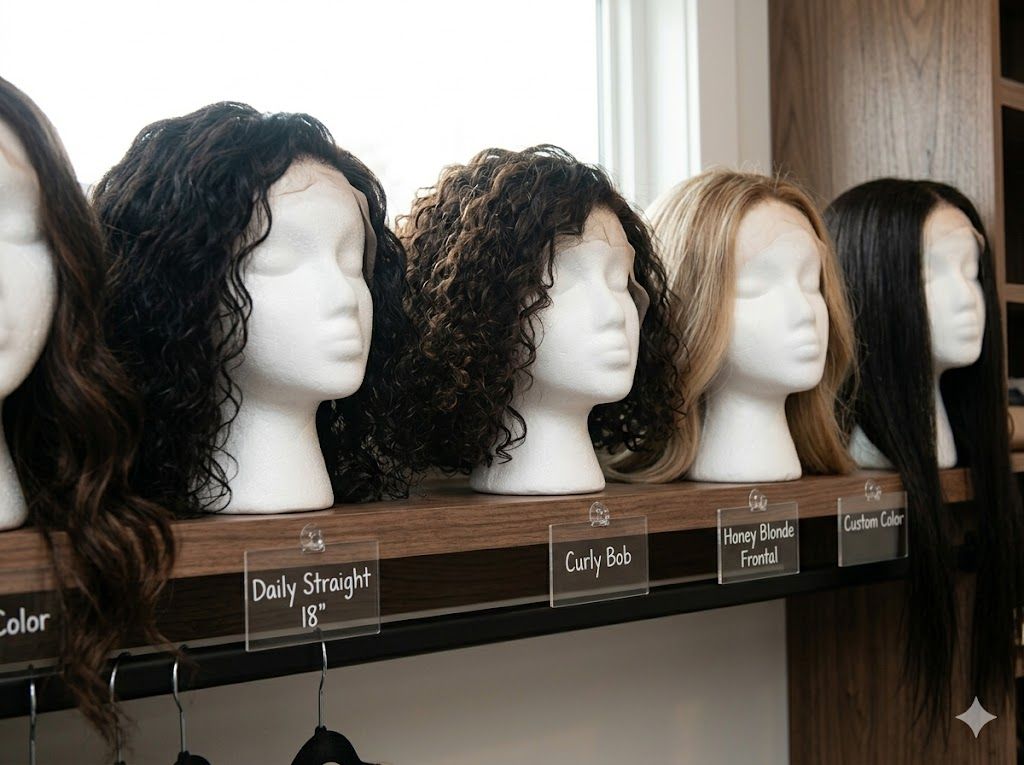
- Mannequin heads occupy major space: Building a collection of display heads requires ample closet or shelf space.
- Bags can flatten styles: Storing a beautifully styled or curled wig in a satin bag can squish the volume out of the look, requiring a quick touch-up with a curling iron before your next wear.
Can I store my human hair wig in a plastic Ziploc bag?
While tempting for travel, plastic bags are not recommended for long-term storage. Plastic traps static electricity, which can cause the hair strands to cling together and frizzy out. More importantly, plastic completely seals out air; if there is even a microscopic trace of humidity or sweat left in the wig cap, a plastic bag will trap it, causing mold or mildew to rot the lace and hair.
How do I store my wig while traveling?
When traveling, turn the wig inside out so that the cap protects the outside hair strands. Roll it into a gentle ball and place it inside a silk or satin travel pouch. Once you arrive at your hotel or destination, immediately unpack the unit, shake it out, and hang it on a portable, collapsible plastic wig stand to let the fibers breathe and drop any travel creases.
Where is the best physical location in my house to keep my stored wigs?
Always store your units in a cool, dry, dark environment that is completely isolated from direct sunlight and extreme temperature shifts. Closets or climate-controlled bedrooms are ideal. Avoid storing your collection in the bathroom, as the constant, heavy humidity from hot showers will degrade the lace adhesives, cause straight hair to frizz, and foster mildew growth inside the cap.

Conclusion: Protect your beauty investment
Learning how to properly store your human hair wigs to prevent tangling may require a small adjustment to your nightly routine, but the long-term payoff is massive. By taking just two minutes at the end of the day to detangle your unit and place it cleanly on a canvas block head, inside a protective satin bag, or back into its original box, you shield the delicate human hair cuticles from damaging friction. Keeping your storage area cool, dark, and dry, adjusting your workflow for large-textured items (like an afro wig) will help ensure that every time you wear your unit, it is on perfectly installed, without any tangles.